Preparing Oakland HOA Properties for Wildfire Season: An August Vegetation Abatement Checklist
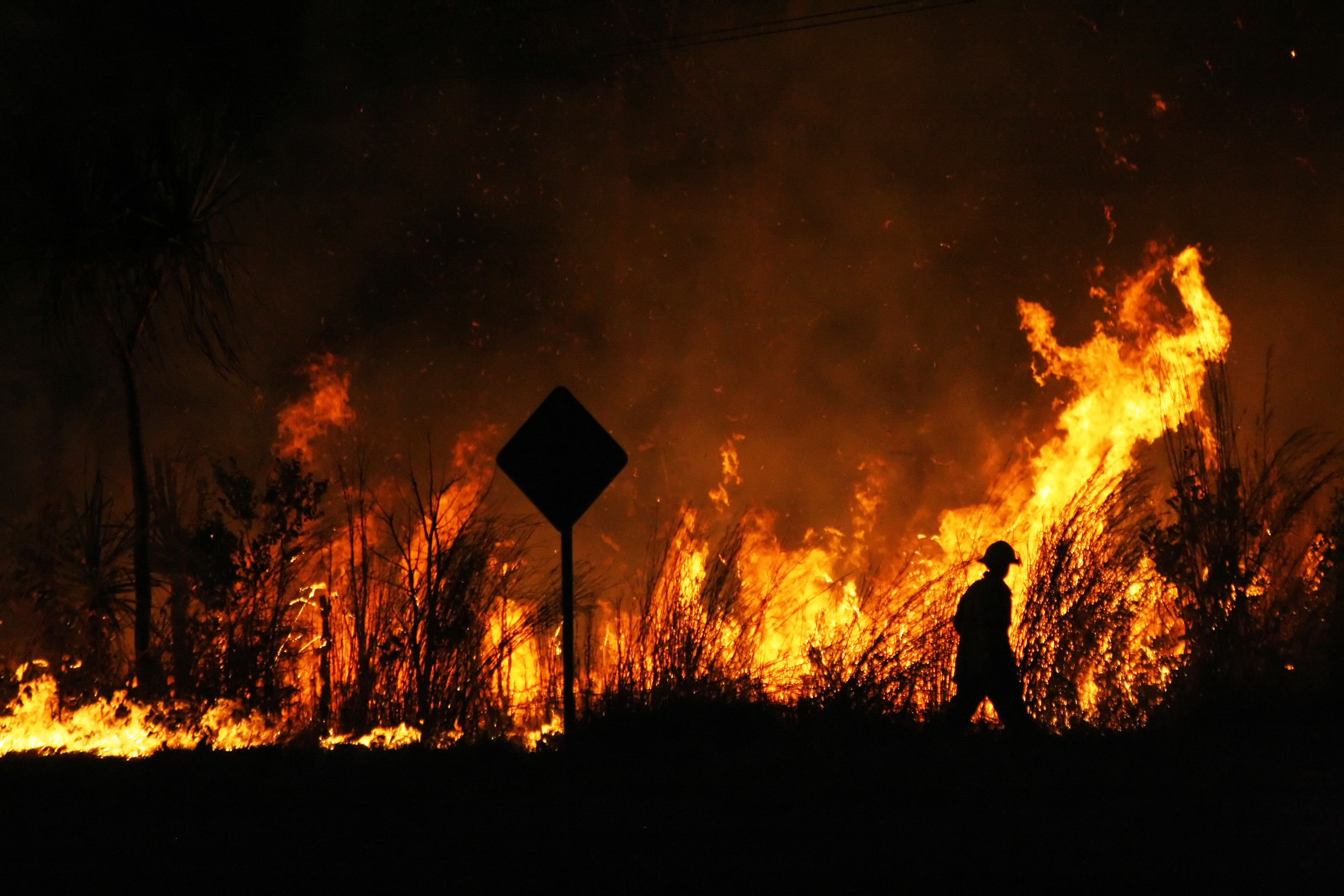
August is an important time for Oakland HOA communities to evaluate landscaping, remove dry vegetation, and address conditions that could increase wildfire risk. In Oakland’s Wildland-Urban Interface areas, annual vegetation inspections are designed to identify hazards that could contribute to the spread of wildfire.
For HOA boards responsible for shared landscapes, roadways, common areas, and multiple structures, organized vegetation abatement can help keep wildfire preparation from becoming a last-minute project.
Start With Defensible Space
Defensible space creates a maintained buffer between structures and surrounding vegetation. Oakland identifies Zone 1 as the area extending to 30 feet from structures and Zone 2 as extending from 30 to 100 feet, depending on property boundaries and conditions. Properties with slopes may require additional measures.
For an HOA, this means looking beyond individual yards. Landscaped common areas, pathways, parking areas, shared structures, hillsides, and property edges may all require attention.
An August Vegetation Abatement Checklist
HOA boards and community managers can use August to review high-priority areas before dry conditions continue into late summer and fall:
• Remove dead plants, dry weeds, fallen leaves, branches, and other combustible debris
• Trim vegetation away from roofs, chimneys, decks, and structures
• Limb up trees and maintain separation between shrubs and tree canopies
• Clear leaves and debris from gutters and roof surfaces
• Maintain vegetation along driveways, parking areas, fire trails, and access roads
• Remove or properly manage accumulated landscape clippings and mulch
• Check that property address numbers remain visible to emergency responders
Oakland’s current vegetation inspection standards include requirements related to defensible space, roof and gutter debris, tree limbs, combustible waste, roadside clearance, and visible property addresses.
Coordinate Landscaping Before Problems Build Up
Vegetation management is easier when it is treated as routine property maintenance rather than a one-time seasonal cleanup. HOA boards should regularly inspect common areas and identify overgrown landscaping, dead vegetation, blocked access areas, or maintenance projects that need vendor attention.
Scheduling work early can also give boards more time to review proposals, prioritize areas of concern, and avoid rushed maintenance decisions during periods of elevated wildfire risk.
How Our HOA Management Services Can Help
At Prime HOA Management, we help Oakland associations stay organized with property inspections, maintenance coordination, administrative support, and vendor management. We can coordinate competitive bids for landscaping and maintenance services, helping boards address vegetation concerns and other property upkeep needs more efficiently.
Our team can also help boards organize maintenance priorities, communicate with service providers, track projects, and plan for related expenses. This structured approach allows wildfire preparation to become part of the association’s broader property maintenance strategy instead of another task competing for the board’s limited time.
Prepare your Oakland HOA property for wildfire season with organized maintenance and professional management support from Prime HOA Management. Contact our office in Oakland, CA by calling (510) 982-5560 to discuss your association’s needs.

HOA Management Services
We offer a wide variety of HOA management services to the Oakland community. Contact us with any questions about our services.

Keep In Touch
For non-urgent questions or to learn more about our services, contact us today!

Quick Links
Our Services
Contact Info
-
Mailing Address:
484 Lake Park Ave, Suite 280
Oakland, CA 94610 - Phone: (510) 982-5560
- Emergency: Option 5
© 2026 Prime HOA Management. All rights Reserved -
Accessibility Statement
-
Privacy Policy
-
Sitemap
Managed and Designed by 